Author name: Oceanic Landscaping

Landscape Designer

Essential Questions To Ask Before Hiring A Landscaping Company

Hiring a landscaping company can feel like handing over the keys to your home’s first impression. You are trusting someone else to shape how your property looks, functions, and holds up over time. On Oʻahu, where landscapes respond constantly to sun exposure, heavy rain, and salt air, that decision carries even more weight than many homeowners realize. At Oceanic Landscaping, we regularly speak with homeowners who say, “I wish I had known what to ask before I hired the last company.” Sometimes the plants failed within months. Sometimes communication slowed down once the contract was signed. Other times, the finished landscape looked nothing like what was discussed. In most cases, the issue was not bad intentions. It was a lack of clarity early in the process. If you are exploring Oahu landscaping services, asking the right questions upfront can save you time, money, and frustration. A landscaping company should do more than provide a price. They should explain their process, help you understand design choices, and set realistic expectations. This guide walks through the essential questions every homeowner should ask before hiring a landscaping company so you can move forward with confidence rather than guesswork. What Questions Should You Ask Before Hiring A Landscaping Company? Before hiring a landscaping company, homeowners should ask questions that clarify experience, planning approach, and long-term expectations. Key questions include what services are included, how designs are developed, whether the company understands local conditions, and how communication will be handled throughout the project. These questions help reveal whether a company focuses on quick installations or durable, thoughtful results. Homeowners should also ask about timelines, maintenance requirements, and how unexpected challenges are addressed once work begins. A reliable provider of Oahu landscaping services should be transparent, willing to explain trade-offs, and comfortable discussing limitations as well as strengths. Asking the right questions upfront helps ensure the landscaper’s vision aligns with your own. It also sets the foundation for a collaborative relationship instead of a transactional one. When expectations are clear from the beginning, projects tend to run smoother, costs are easier to manage, and the final landscape is far more likely to meet or exceed expectations. What Questions Should I Ask A Landscaper? When speaking with a landscaper, the goal is to understand not just what they do, but how they think. Start by asking about their experience with properties similar to yours and their familiarity with Oʻahu’s climate, soil types, and drainage patterns. Local knowledge plays a major role in how well a landscape performs over time. Ask how they approach design and planning. Do they begin with a site evaluation? Do they account for sun exposure, runoff, wind patterns, and long-term plant growth? A company offering Oahu landscaping services that skips these steps may deliver fast results that struggle within a year. Communication is another essential area to explore. Ask who your main point of contact will be, how often updates are provided, and how questions or concerns are handled during the project. Clear communication prevents misunderstandings and helps homeowners feel confident throughout the process. This stage is often when homeowners compare quotes. While pricing matters, the answers to these questions often reveal more about long-term value than numbers alone. At Oceanic Landscaping, we encourage detailed conversations because informed homeowners make better partners and experience smoother projects from start to finish. What Are The Basic Elements Of Landscaping? Understanding the basic elements of landscaping helps homeowners evaluate whether a company truly understands design or is simply installing materials. Landscaping typically includes softscape elements such as plants, grass, and ground cover, along with hardscape features like walkways, retaining walls, and patios. Beyond materials, layout is a critical element. How spaces connect, where focal points are placed, and how movement flows through the yard all influence comfort and usability. In Oahu landscaping projects, drainage and grading are especially important because they protect plants, structures, and surrounding properties. Sustainability is another key element of modern landscaping. Plant selection, irrigation efficiency, and soil health all affect how a landscape performs over time. According to the University of Hawaii Sea Grant College Program, sustainable landscaping practices help conserve water and protect long-term environmental health in Hawaii. At Oceanic Landscaping, we treat landscaping as an interconnected system. Each element supports the next, creating balance, function, and longevity rather than visual clutter or short-term fixes. How To Prepare For A Landscaping Interview? Preparing for a landscaping interview does not require formal documents, but it does benefit from thoughtful preparation. Start by identifying how you want to use your outdoor space. Is the priority entertaining, relaxation, family activities, or low maintenance curb appeal? Clear goals help landscapers make recommendations that fit your lifestyle. Take time to observe your property before the meeting. Notice where water tends to collect, which areas receive full sun, and where plants struggle. These observations provide valuable insight that photos alone cannot capture and help Oahu landscaping professionals tailor solutions to your site. Bring questions about maintenance expectations and long-term care. Some landscapes require more ongoing attention than others, and understanding that commitment upfront prevents frustration later. This preparation turns the conversation into a collaboration rather than a sales pitch. At Oceanic Landscaping, we find that prepared homeowners experience fewer surprises and stronger outcomes because expectations are aligned from day one. What Are The Principles Of Landscape Design? Landscape design principles guide how outdoor spaces look, feel, and function. Balance, proportion, unity, and rhythm work together to create landscapes that feel natural and cohesive rather than overwhelming. Balance ensures visual stability so no area feels too heavy or empty. Proportion aligns plants and features with the scale of the home and property. Unity connects elements through consistent materials or themes, while rhythm guides the eye smoothly through the space. In Oahu landscaping, these principles are adapted to local realities. Strong sun exposure, rapid plant growth, and seasonal rain all influence how designs should evolve. Landscapes that ignore these conditions may look polished initially but struggle over time.

Landscaping

Seasonal Landscaping Services: What You Need Year-Round

One of the most common misconceptions about landscaping is that it is a “set it and forget it” project. Many homeowners believe that once plants are installed and the lawn looks healthy, the work is finished. Then a few months pass, growth patterns change, weeds appear, and plants begin to struggle. Suddenly, the yard does not look or function the way it once did. We hear this often from homeowners across Honolulu who wonder why their landscape looks great one season and stressed the next. At Oceanic Landscaping, we have learned that healthy outdoor spaces are not created in a single moment. They are maintained through consistent, thoughtful care over time. Even in Hawaii’s relatively steady climate, landscapes experience seasonal shifts. Rainfall patterns change, growth speeds up or slows down, and maintenance priorities evolve. Understanding what your landscape needs throughout the year is essential to keeping it healthy, attractive, and reliable. If you are considering landscaping services Honolulu HI, this guide explains what year-round care really looks like and why it matters. Seasonal landscaping is not about constant change. It is about awareness and timing. When care is adjusted gradually and intentionally, landscapes stay balanced. When care stops or becomes reactive, small issues can grow into frustrating problems. Homeowners who rely on professional landscaping services Honolulu HI often do so because they want stability, not surprises. What Are Seasonal Landscaping Services And Why Do They Matter? Seasonal landscaping services are year-round maintenance and care tasks that adapt to changing weather patterns, plant growth cycles, and environmental conditions. These services include mowing, pruning, fertilization, irrigation adjustments, plant health monitoring, and cleanup performed at the appropriate times to support healthy growth. Rather than reacting to problems after they appear, seasonal landscaping focuses on prevention and consistency. When landscapes receive the right care at the right time, plants stay healthier, lawns remain resilient, and long-term maintenance demands are reduced. Seasonal services ensure your landscape continues to thrive instead of slowly declining between major projects. This proactive approach is a defining feature of dependable landscaping services Honolulu HI. Landscaping Seasons In Honolulu Are Subtle But Important Honolulu does not experience dramatic seasonal swings like colder climates, but that does not mean landscaping needs remain constant. Rainfall increases during certain months. Humidity levels fluctuate. Growth rates change depending on sunlight and moisture. These shifts may feel subtle, but plants respond to them quickly. We often see homeowners underestimate these changes because the weather feels similar year-round. As a result, watering schedules remain unchanged during rainy periods, or pruning is delayed during high-growth phases. Over time, this leads to plant stress, fungal issues, or inefficient irrigation. At Oceanic Landscaping, we tailor landscaping services Honolulu HI to these seasonal variations. Watering schedules are adjusted based on rainfall. Pruning is timed to support healthy structure and airflow. Fertilization is planned to strengthen roots rather than force surface growth. Ignoring these seasonal needs can lead to decline even in a tropical environment. You’ll find useful guidance in Landscape Maintenance Tips for Every Season. Can You Do Landscaping All Year Round? Yes, landscaping can absolutely be done all year round in Honolulu. The key difference is understanding what type of work is appropriate at different times. While large planting projects or major changes may benefit from strategic timing, maintenance never truly stops. Tasks like mowing, trimming, pruning, irrigation checks, and plant health monitoring are ongoing. Year-round landscaping allows issues to be identified early instead of becoming widespread problems. Consistent care supports steady growth and prevents sudden declines that can surprise homeowners. Professional landscaping services Honolulu HI focus on maintaining balance throughout the year. This ensures your landscape does not go through cycles of neglect and recovery. Instead, it remains stable and easier to manage over time. What Is The Best Time Of Year To Do Landscaping? The best time of year to do landscaping depends on the type of work involved. Design updates and planting projects are often most successful when timed with natural growth cycles and rainfall patterns. This allows plants to establish more comfortably and adapt to their environment. Maintenance, however, should be continuous. Seasonal adjustments such as pruning before heavy growth periods or correcting irrigation during wetter months support long-term success. Landscapes that receive consistent care respond better to changes and recover more quickly from stress. Homeowners who rely on landscaping services Honolulu HI often appreciate having a plan that aligns improvements with the most effective timing. This approach reduces guesswork and supports healthier outcomes. What Seasonal Landscaping Looks Like In Practice Seasonal landscaping is not a single checklist repeated every month. It is a flexible approach that responds to current conditions. During periods of rapid growth, mowing may be more frequent to maintain lawn health. Pruning focuses on shaping plants safely and preventing overcrowding. During slower growth phases, attention shifts toward soil health and root development. Fertilization schedules are adjusted to support balanced growth rather than excessive surface activity. Irrigation systems are monitored to ensure water is delivered efficiently without oversaturation. Regular inspections help identify early signs of pests, disease, or drainage issues. This adaptive approach is central to professional landscaping services Honolulu HI. Instead of reacting to visible problems, care is guided by observation and experience. How Seasonal Care Prevents Bigger Problems Landscapes that do not receive consistent care often suffer from compounding issues. Overgrown plants block airflow, which increases moisture retention and encourages disease. Lawns that are not maintained thin out, allowing weeds to establish. Irrigation systems that are not adjusted waste water or stress plants. Seasonal services prevent these problems by maintaining balance. Proper pruning improves airflow. Regular mowing supports dense grass growth. Timely irrigation adjustments protect root systems. According to the American Society of Landscape Architects, routine maintenance plays a key role in long-term landscape health and sustainability. Preventative care is always more effective than restoration. Homeowners who invest in landscaping services Honolulu HI focused on prevention often experience fewer disruptions and more consistent results. Seasonal Services And Irrigation Management Irrigation

Landscaping

The Importance of Regular Lawn and Garden Care for Healthy Growth

Most lawns and gardens do not decline overnight. They give subtle signals over time. Grass begins to thin. Weeds appear where they did not exist before. Flowering slows. Plants that once looked vibrant seem tired or uneven. We often hear homeowners across Oahu say, “It used to look great. I am not sure what changed.” In most cases, what changed was not the weather or the plants themselves. What changed was consistency. Lawn and garden care is not about chasing perfection. It is about rhythm. Regular attention keeps small issues from turning into lasting damage. When care becomes irregular, the landscape slowly loses balance. At Oceanic Landscaping, we see this pattern often. Yards that receive steady maintenance remain resilient and attractive. Yards that go long periods without care become harder to stabilize over time. Healthy lawns and gardens are more than visual features. They support soil structure, protect plant roots, manage water movement, and help outdoor spaces feel comfortable and usable. In Hawaii’s climate, where sun, rain, and humidity fluctuate throughout the year, consistency matters even more. If you are exploring Oahu landscaping services, understanding why routine care is so important will help you protect your landscape and enjoy it throughout every season. Why Is Regular Lawn And Garden Care Important? Regular lawn and garden care is essential because it supports healthy plant growth, prevents disease, and maintains soil quality over time. Consistent mowing, watering, fertilizing, and pruning help plants develop strong root systems, resist pests, and recover from environmental stress. Without routine care, lawns become vulnerable to weeds, erosion, and thinning, while gardens struggle with overcrowding and nutrient imbalance. Regular maintenance also allows early detection of problems, addressing them before they spread. In climates like Oahu’s, where sun exposure, rainfall, and humidity can change quickly, consistent care keeps landscapes balanced and resilient. This steady approach is the foundation of dependable Oahu landscaping services that support long term landscape health. Local Insight: Lawn And Garden Care On Oahu Oahu’s environment is beautiful, but it places real demands on lawns and gardens. Strong sun exposure, frequent rain, salt air, and varied soil conditions all influence how plants grow. A lawn that thrives during one season may struggle during another if care routines do not adjust. We often see landscapes that looked stable for years begin to decline after weather shifts or changes in routine. Irrigation schedules may no longer match rainfall patterns. Soil nutrients may become depleted. Plants may grow unevenly due to sun and shade changes. At Oceanic Landscaping, we tailor maintenance routines to local conditions, adjusting watering, pruning, and soil care based on observation and experience. This local approach is what separates effective Oahu landscaping services from generic maintenance schedules. Landscapes that receive care designed for island conditions tend to recover faster, resist stress, and maintain a healthier appearance throughout the year. Why Is The Lawn Important? A lawn does more than frame your home. It plays a functional role in the overall landscape system. Healthy grass helps prevent soil erosion by holding soil in place during rainfall. It improves drainage by allowing water to absorb gradually instead of running off hard surfaces. It also reduces surface heat, making outdoor areas more comfortable to use. Lawns support surrounding plants by stabilizing soil and regulating moisture levels. When properly maintained, a lawn creates a balanced base for gardens, trees, and shrubs. When neglected, it can become a source of weeds, pests, and bare areas that spread into nearby planting beds. Regular care keeps grass dense and resilient. Mowing at the proper height, feeding the soil appropriately, and managing water allow the lawn to perform its role effectively. Many homeowners turn to Oahu landscaping services to ensure lawn care supports the entire yard, not just the grass itself. Gain clarity by reading DIY vs. Professional Landscaping: Pros, Cons, and Cost Breakdown. What Is The Importance Of Landscape? The landscape connects your home to its environment. It influences how your property looks, how it feels to use, and how well it functions over time. A well maintained landscape improves air quality, supports local ecosystems, and creates outdoor spaces for relaxation or gathering. Landscapes also play a role in water management and soil health. Plant roots help stabilize the ground. Trees and shrubs filter rainwater. Ground cover reduces erosion. According to the American Society of Landscape Architects, properly maintained landscapes support environmental sustainability and long term property performance. Regular care ensures the landscape continues to function as intended, not just look appealing for short periods. Professional Oahu landscaping services approach landscape care as a system. Lawns, gardens, trees, and soil all influence each other. When care is consistent, the entire system stays balanced and easier to manage. What Is The Most Important Part Of A Garden? The most important part of a garden is its foundation. Healthy soil and consistent care determine whether plants thrive or struggle. Even the most visually striking plants cannot perform well without proper nutrients, spacing, and maintenance. Gardens benefit from regular pruning, appropriate watering, and ongoing monitoring. Over time, routine care prevents overcrowding and allows each plant to grow as intended. It also helps identify early signs of disease or stress, which can be addressed before spreading. At Oceanic Landscaping, we focus on long term garden health rather than quick changes. Gardens that receive steady care remain more balanced and enjoyable. This philosophy guides our approach to Oahu landscaping services designed to support healthy growth year after year. What Happens If You Do Not Maintain Your Lawn? When lawns are not maintained, problems tend to build gradually. Grass weakens. Weeds establish themselves. Pests become more active. Soil compaction increases, making it harder for water and nutrients to reach roots. These issues often spread beyond the lawn and affect nearby gardens and plantings. Without routine mowing, feeding, and soil care, lawns lose density and resilience. Over time, recovery becomes more difficult. What could have been corrected early through consistent care often requires more extensive intervention later. Regular maintenance

Landscape Contractors

The Benefits of Working with a Local Landscape Contractor

If you have ever tried to coordinate a landscaping project on your own, you already know how quickly things can get complicated. One contractor suggests plants that do not last. Another underestimates drainage issues. Timelines stretch, the work feels disorganized, and the final result does not quite match what you imagined. We hear this story often from homeowners across Oahu who thought landscaping was only about planting and maintenance, until local conditions proved otherwise. At Oceanic Landscaping, we believe where your contractor is based matters just as much as what they offer. Landscaping in Honolulu is not the same as landscaping anywhere else. The climate, soil, rainfall patterns, salt air, sun intensity, and neighborhood expectations all play a role. Working with local professionals means working with people who understand those realities firsthand. If you are searching for reliable landscape contractors Honolulu HI, this guide explains why choosing local expertise can make a noticeable difference in quality, longevity, and peace of mind. A skeptical homeowner usually wants the same thing. You want a landscape that looks good, functions well, and holds up in real conditions. You want fewer surprises and less second guessing. A local landscaping company can help with that because the decisions are grounded in the island’s environment, not generic assumptions. When you work with landscape contractors Honolulu HI who are familiar with your neighborhood and conditions, the project becomes easier to manage and easier to trust. Why Work With A Local Landscape Contractor? Working with a local landscape contractor gives homeowners access to region-specific knowledge, faster communication, and designs built for the local environment. Local contractors understand climate conditions, soil types, plant performance, and common challenges unique to the area. They are also familiar with local regulations, permitting requirements, and neighborhood expectations. This leads to fewer mistakes, better plant survival, and more efficient project timelines. A local contractor is not only installing a landscape. They are creating an outdoor space designed to thrive where you live. Homeowners looking for landscape contractors Honolulu HI often choose local teams because experience with Oahu conditions improves results from day one. Landscaping On Oahu Is Different Landscaping in Honolulu comes with challenges that out-of-area contractors often underestimate. Heavy rain can overwhelm poorly planned drainage. Strong sun can scorch plants that are not suited to exposure. Salt air can stress certain species and shorten the life of some materials. Sloped properties can erode quickly if grading and plant selection are not handled carefully. We have worked with homeowners who previously hired non-local companies, only to deal with pooling water, plant decline, or materials that did not hold up. Often, the design looked nice at first but did not perform well through seasons and storms. At Oceanic Landscaping, we design and build landscapes specifically for Oahu’s conditions. This local experience helps us anticipate issues before they become long-term problems. That is why many homeowners prefer working with established landscape contractors Honolulu HI who know the island well. Local expertise is not a marketing phrase. It shows up in the small decisions that affect whether a landscape stays healthy, drains properly, and remains comfortable to use. What Is The Purpose Of A Landscaping Company? The purpose of a landscaping company goes far beyond aesthetics. A professional team designs, installs, and maintains outdoor spaces that are functional, sustainable, and visually appealing. That includes improving drainage, managing erosion, selecting appropriate plants, and shaping outdoor areas around how homeowners actually live. In Honolulu, purpose also means planning for weather and wear. A yard that looks good but does not handle rain runoff will create frustration. A patio that does not account for drainage and slope will lead to water pooling. A planting plan that ignores wind and salt exposure can create ongoing plant health issues. Good landscape contractors Honolulu HI focus on performance and comfort, not just appearance. A landscaping company also helps homeowners bring structure to a project. Instead of juggling different vendors, materials, and schedules, you have a team that understands the full picture. This supports a smoother process and a finished landscape that feels cohesive and intentional. What Is The Difference Between A Landscape Architect And A Landscape Designer? The difference between a landscape architect and a landscape designer comes down to training and scope. Landscape architects are licensed professionals who often handle large-scale or structural projects that may require permits and engineering considerations. Their work may include major grading, complex drainage planning, and public or commercial spaces. Landscape designers focus on residential layouts, plant selection, and aesthetic planning. They often create the look and flow of a yard, including plant palettes, outdoor rooms, and functional zones. Both roles can be valuable, and in many residential projects a skilled contractor works closely with designers to bring plans to life effectively. For many homeowners, the most important factor is how well the project is executed on site. That is where experienced landscape contractors Honolulu HI matter. They understand how to translate a plan into a real landscape that performs well in local conditions. According to the American Society of Landscape Architects, thoughtful landscape planning improves functionality, sustainability, and long-term performance. What Does A Landscaper Do Exactly? A landscaper installs and maintains the physical elements of a landscape. This includes planting, hardscaping, irrigation, grading, and ongoing care. Landscapers turn design plans into reality and ensure everything functions as intended. They also troubleshoot issues like drainage problems, plant health concerns, and wear over time. In practice, this work often requires more technical knowledge than homeowners expect. Grading affects how water moves across your property. Irrigation affects plant health and soil stability. Hardscape installation affects safety and long-term durability. When these elements are handled well, your landscape feels easy to use and easy to live with. At Oceanic Landscaping, our team supports homeowners from installation through long-term care. That continuity matters because landscapes evolve. A stable relationship with landscape contractors Honolulu HI means your yard has consistent attention, not a revolving door of different crews and approaches. Local

Landscape Designer

How to Choose the Right Plants for Your Landscape Design

Standing in front of a nursery or scrolling through plant photos online, it is easy to feel overwhelmed. Everything looks beautiful, and suddenly you are wondering how all those plants are supposed to fit together in your yard. We hear this a lot from homeowners in Honolulu: “I love plants, but I do not know which ones actually work for my space.” That uncertainty is completely normal. Choosing the right plants is not just about looks. It is about climate, maintenance, growth habits, and how everything works together over time. At Oceanic Landscaping, we help homeowners move past guesswork and toward thoughtful, lasting designs. The right plant choices can turn a yard into a calm retreat instead of a constant chore. If you are researching landscape designers Honolulu HI, understanding how professionals approach plant selection will help you make confident decisions and avoid common mistakes that lead to disappointment later. A healthy, beautiful landscape starts with a clear plan. Before you fall in love with a single plant, it helps to step back and consider how your yard functions day to day. Where do you walk? Where do you sit? Which areas stay damp after rain? Which corners get intense afternoon sun? These details matter more than plant photos because the best plants for your yard are the ones that thrive in your conditions, not just the ones that look great on a screen. This is one reason homeowners lean on landscape designers Honolulu HI who understand local conditions and design for long-term success. How Do You Choose The Right Plants For Landscape Design? Choosing the right plants for your landscape design starts with understanding your environment and your goals. Consider climate, sunlight, soil conditions, available space, and how much maintenance you are willing to do. Plants should be selected not only for their appearance, but also for how they grow over time, how much water they need, and how they interact with nearby plants. A successful landscape uses plants that thrive naturally in the local climate, fit the scale of the space, and support the intended use of the yard. When plants are chosen intentionally, landscapes stay healthier, look better year-round, and require far less upkeep. That is the approach trusted landscape designers Honolulu HI use when building landscapes that feel good to live with. What Plants Are Good For Landscaping? Good landscaping plants balance beauty, durability, and compatibility with the environment. In practical terms, that means selecting plants that handle local conditions well, resist common pests, and fit the space as they mature. Shrubs that provide structure, groundcovers that reduce weeds, and trees that offer shade without overpowering the yard are common building blocks in residential landscape design. The best plant choices also serve a purpose. Some plants create privacy. Others direct foot traffic, soften hard edges, or stabilize slopes. Many homeowners unintentionally select plants like decorations, one at a time, without thinking about how they work together. A stronger approach is to choose plants as a system. That system should include structure, layering, and repetition so the yard feels cohesive. This is exactly how landscape designers Honolulu HI approach landscape plant selection in a way that holds up through seasons and weather changes. When you are choosing plants, it helps to ask a few simple questions. Will this plant grow wide or tall? Does it need constant pruning? Does it drop fruit or leaves near walkways? Does it tolerate wind and salt? By focusing on performance and placement, you can build a yard that feels intentional instead of unpredictable. How To Select Landscape Plants? Selecting landscape plants begins with evaluating your yard’s conditions. Observe how much sunlight different areas receive throughout the day, how water drains after rainfall, and how much room each planting zone actually has. Take note of areas that stay wet, areas that get blasted by afternoon sun, and areas that are exposed to wind. Maintenance should also be part of the decision. Some plants require frequent pruning, watering, and cleanup, while others are more self-sufficient once established. Honest planning helps prevent frustration later. It is also important to consider how plants look together, not individually. A yard with too many unrelated plant styles can feel cluttered, even if each plant is beautiful on its own. According to the American Society of Landscape Architects, thoughtful plant selection improves sustainability, reduces maintenance, and enhances long-term landscape performance. This is why homeowners often consult landscape designers Honolulu HI to develop a clear plant palette that fits the site and keeps the yard looking consistent year-round. A practical method is to start with your “backbone” plants first. These are the structural shrubs, small trees, and groundcovers that create shape even when nothing is in bloom. Then add accent plants that provide seasonal color and texture. This approach keeps the yard stable and reduces the temptation to fill every gap with something random. What Plants Should I Get For My Garden? The best plants for your garden depend on how you plan to use the space. If relaxation is the goal, choose plants with soft textures, calming greens, and a layout that feels simple and uncluttered. If you entertain often, low-litter plants and clean edges help keep the area comfortable and easy to maintain. If visual impact is your priority, layered heights and varied leaf shapes can create depth even in smaller spaces. It is also helpful to think about how close plants will be to daily activity. Spiky plants near walkways can be irritating. Strong-scent plants near seating can be pleasant for some people and overwhelming for others. Large-leaf tropical landscape plants can be dramatic, but they may also need space to avoid blocking airflow or crowding other plantings. Oceanic Landscaping guides homeowners toward plants that match their lifestyle, not just their taste. That is one reason people seek landscape designers Honolulu HI when they want a garden that feels enjoyable instead of demanding. Find helpful advice in Top Walkway Designs That Blend Function and Style

Landscaping

Landscaping a Small Yard? Try These Creative Space-Saving Ideas

A small yard can feel like a limitation, or it can feel like an opportunity, depending on how you approach it. We talk to many homeowners across Honolulu who feel frustrated by tight outdoor spaces. They want somewhere to relax, entertain, or simply enjoy greenery, but they worry there is not enough room to make it work. At Oceanic Landscaping, we have learned that small yards often produce the most creative, thoughtful designs. When space is limited, every choice matters more, and that is where smart planning truly shines. With the right strategy, a compact yard can feel open, functional, and inviting. It is not about squeezing everything in. It is about using space intentionally. Whether you are dealing with a narrow backyard, a compact courtyard, or a small side yard, the goal is the same. Make the area work for your lifestyle while keeping it visually balanced. If you are exploring landscaping services Honolulu HI, this guide will walk you through practical, space-saving ideas that help small yards feel bigger and more enjoyable. One of the biggest misconceptions about small yard landscaping is that it has to be simple or boring. In reality, limited square footage encourages better decision-making. You cannot hide clutter behind extra space, so the layout needs to be cleaner, the plant choices need to be smarter, and every feature needs a purpose. That is why many homeowners who start with uncertainty end up loving the finished result when they work with experienced landscaping services Honolulu HI that understand both design and local conditions. What Are Good Landscape Ideas For Small Spaces? Good landscape ideas for small spaces focus on maximizing function without overcrowding the yard. This includes using vertical elements like trellises or wall planters, choosing multi-purpose features such as built-in seating with storage, and selecting plants that fit the scale of the space. Clean lines, layered planting, and clearly defined zones help small yards feel organized rather than cramped. Light-colored materials, strategic lighting, and thoughtful placement of greenery can visually expand the space. When designed correctly, a small yard does not feel limited. It feels intentional, efficient, and comfortable. That is the goal of high-quality landscaping services Honolulu HI that specialize in small outdoor spaces. What Are Good Landscape Ideas For Small Spaces? Great landscape ideas for small spaces start with simplicity. Instead of trying to include every feature, focus on one or two priorities, like seating or greenery, and build around them. When your priorities are clear, the space becomes easier to design and easier to enjoy. Vertical gardens, hanging planters, and slim profile trees add greenery without taking up valuable ground space. Repetition is also a powerful tool in small yard landscaping. Using fewer plant varieties and repeating them in intentional patterns creates harmony and reduces the busy look that can make a small yard feel cramped. Clean edges and consistent materials help your eye move through the space without getting stuck on visual clutter. These are all strategies professional landscaping services Honolulu HI use to create a polished result. Hardscape elements can help define use without overwhelming the yard. A narrow pathway, a compact patio, or a simple stepping stone route can guide movement and create the feeling of an outdoor room. The goal is balance, not abundance. A small yard works best when every feature has a purpose and there is enough open space to breathe, which is a hallmark of well planned landscaping services Honolulu HI. How To Landscape A Small Backyard? Landscaping a small backyard begins with understanding how you want to use it. Do you want a quiet retreat, a place to entertain, or a space to enjoy greenery after work? Once that purpose is clear, the design becomes far easier. Small yards do not leave room for features that are “nice to have” but not actually used. Start by identifying where people will walk and where they will sit. Movement patterns matter in a small space, because awkward pathways make the yard feel tighter. Many homeowners benefit from creating zones, even if those zones are compact. For example, a small seating nook paired with greenery can deliver a relaxing feel without crowding the yard. A corner bench can turn an unused area into a functional destination. Scale matters more than ever in small backyard landscaping ideas. Oversized furniture, bulky planters, and wide paths can consume space quickly. Choose elements that match the footprint of the yard. This is where professional planning from landscaping services Honolulu HI can be invaluable, because it ensures the layout feels natural instead of forced. When everything is sized correctly, the yard feels intentional and comfortable, even if it is compact. How To Maximize Space In A Small Backyard? Maximizing space in a small backyard is about using both the horizontal and vertical dimensions. Built-in benches, raised planters, and low retaining walls can double as seating, edges, or storage areas, depending on the design. This helps the yard stay functional without adding extra clutter. Vertical elements are especially helpful in Honolulu where privacy and shade can matter. Trellises, screen panels, and trained vines draw the eye upward, which makes the yard feel larger. They also create gentle boundaries without making the space feel closed off. Strategic lighting can extend usability into the evening while keeping the layout clean. For small spaces, lighting is often a better solution than adding more physical features. Clear pathways and minimal transitions reduce visual noise. If every surface changes material or every corner has a new feature, the yard starts to feel busy. Consistency is calming. Many landscaping services Honolulu HI focus on a limited palette of materials and plant types to keep small yard landscaping cohesive. The more cohesive the design, the larger the space feels. How To Plan Your Yard Landscaping? Planning your yard landscaping starts with assessing the space honestly. Sun exposure, drainage, privacy, and access points all matter, especially in small yards where minor issues can affect the entire layout. Start by

Landscaping

Hardscaping vs. Softscaping: What’s the Difference and Why It Matters

If you have ever looked at your yard and thought, “Something feels off, but I cannot quite explain why,” there is a strong chance the balance between hardscaping and softscaping is the missing piece. We hear this often from homeowners across Oahu. The lawn looks healthy, the plants are growing, but the space still does not feel functional or inviting. Other times, there is a beautiful patio or walkway, yet the yard feels harsh, unfinished, or disconnected from its surroundings. At Oceanic Landscaping, we have learned that great outdoor spaces are not about choosing hardscaping or softscaping. They are about understanding how the two work together to create landscapes that feel natural, usable, and well-suited to Hawaii’s environment. When one element is missing or overused, the entire space can feel uncomfortable or impractical. Whether you are planning a full redesign or simply trying to understand what your property needs next, knowing the difference between hardscaping and softscaping helps you make informed decisions and avoid frustration later. If you are researching Oahu landscaping services, this guide will give you the clarity you need to move forward with confidence. What’s The Difference Between Hardscaping And Softscaping? The difference between hardscaping and softscaping comes down to structure versus living elements. Hardscaping refers to the non living features of a landscape such as patios, walkways, retaining walls, driveways, and stone or concrete features. These elements provide structure, stability, and function. Softscaping includes all the living components like grass, plants, trees, shrubs, flowers, and soil. Softscaping adds color, texture, movement, and natural balance. Together, hardscaping and softscaping create harmony. Hardscape defines how a space is used, while softscape makes it feel welcoming and alive. A well designed landscape blends both to improve usability, comfort, and long term performance. This balance is essential when working with professional Oahu landscaping services that are built for local conditions. Why This Balance Matters On Oahu Oahu’s environment makes the relationship between hardscaping and softscaping especially important. Heavy rainfall, salt air, strong sun exposure, and sloped terrain all influence how landscapes age and perform. Designs that ignore these factors often struggle over time. We have seen properties with too much hardscaping experience drainage problems, surface heat buildup, and uncomfortable outdoor temperatures. On the other hand, yards made up entirely of softscaping often deal with erosion, muddy areas, and high maintenance demands. Neither extreme works well on its own. At Oceanic Landscaping, we design outdoor spaces with island conditions in mind. Hardscaping helps manage water flow, define usable areas, and stabilize slopes. Softscaping cools the environment, anchors soil, and blends the space naturally into its surroundings. This thoughtful balance is what separates short-term fixes from Oahu landscaping services that continue to perform year after year. Learn more by reading Expert Tips for Designing a Vibrant Tropical Garden Oasis. What’s The Difference Between Hardscape And Softscape? The difference between hardscape and softscape is best understood by function. Hardscape elements are permanent or semi-permanent features made from materials like stone, concrete, brick, or wood. These elements do not grow or change over time. They define pathways, gathering spaces, boundaries, and elevation changes. Softscape elements are living and evolving. Plants grow, trees mature, and lawns respond to weather and care. Softscaping softens the appearance of hard materials while adding shade, movement, and ecological benefits. Landscapes that rely too heavily on one side often feel unbalanced. Successful outdoor spaces intentionally integrate both elements from the beginning, which is a core principle of effective Oahu landscaping services. What Is The Importance Of Hardscape And Softscape Design? Hardscape and softscape design is important because it directly affects how a space functions, how it feels, and how well it holds up over time. Hardscaping provides definition and structure. Without it, outdoor spaces can feel undefined or difficult to use. Softscaping brings comfort and natural beauty. Without it, landscapes often feel harsh and incomplete. Thoughtful design also supports drainage control, soil stability, and environmental health. According to the American Society of Landscape Architects, balanced landscape design improves functionality, sustainability, and overall property experience. In an environment like Oahu, where weather and terrain play a significant role, professional planning is essential. Well-designed Oahu landscaping services account for these factors from the start. What Does Hardscaping Mean? Hardscaping refers to the solid, constructed elements of a landscape. This includes patios, walkways, retaining walls, steps, decks, fences, and decorative stone features. Hardscaping creates outdoor rooms and determines how people move through a space. It also plays an important role in managing elevation changes and controlling erosion, especially on sloped properties. However, hardscaping must be used thoughtfully. Excessive hard surfaces can increase runoff and heat retention. This is why hardscaping should always be planned alongside softscaping when developing Oahu landscaping services that feel comfortable and natural. What Is Softscaping And Why Is It Essential? Softscaping includes lawns, plants, trees, flowers, mulch, and soil. These living elements bring life and movement to a landscape while supporting environmental health. Softscaping improves air quality, absorbs rainfall, and helps regulate surface temperature. In Oahu’s climate, proper plant selection is especially important. Choosing species suited to local conditions reduces maintenance challenges and promotes long term success. Softscaping is not purely decorative. It plays a functional role in stabilizing soil, managing moisture, and creating shade. Professional Oahu landscaping services treat softscaping as a foundational element, not an afterthought. How Hardscaping And Softscaping Affect Maintenance Maintenance needs are directly influenced by the balance between hardscaping and softscaping. Hardscaping generally requires less routine care, but it must be installed correctly to prevent cracking, shifting, or drainage issues. Softscaping requires ongoing attention like watering, pruning, and seasonal care. A well-balanced landscape reduces overall effort by placing hardscape where foot traffic is heavy and softscape where growth and absorption are beneficial. Strategic design minimizes problem areas and supports long-term performance. This is one reason homeowners turn to experienced Oahu landscaping services rather than piecing elements together over time. Common Mistakes Homeowners Make One common mistake is overhardscaping a yard, which can make

Landscape Contractors

How Landscape Designers Transform Outdoor Spaces

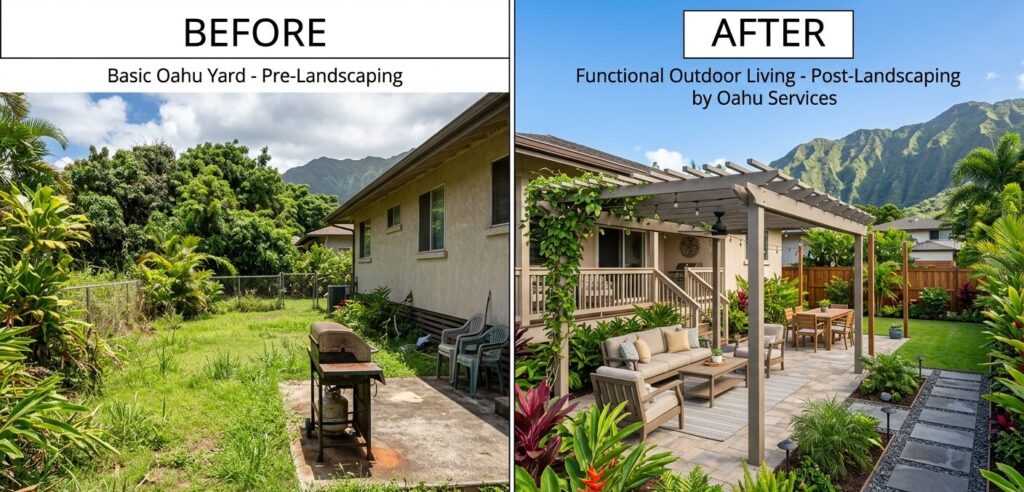
Transforming an outdoor space into something beautiful, functional, and deeply enjoyable takes more than planting a few palms or laying down a new patio. True landscape design blends creativity, climate knowledge, practical planning, and an understanding of how people really live in their outdoor spaces. That’s why so many homeowners choose to work with professional landscape designers Honolulu HI  experts who know how to craft outdoor environments that thrive in Hawaii’s climate while reflecting each homeowner’s lifestyle. Whether you’ve just moved into a new home or are finally ready to improve the outdoor space you’ve been ignoring for years, one big question inevitably comes up: Should you DIY your landscaping or hire professionals? On one hand, for some homeowners, digging into the soil and choosing plants feels exciting and rewarding. On the other hand, for others, just the thought of leveling ground or troubleshooting irrigation is enough to bring on a headache. How Do Landscape Architects Help the Environment? Landscape architects and designers play a major role in protecting the environment by creating outdoor spaces that support healthy ecosystems, conserve natural resources, and reduce environmental impact. Moreover, when landscape designers Honolulu HI work on a project, they choose climate-appropriate, often native plants that support pollinators and reduce water usage. They design drainage systems that prevent erosion and flooding. They incorporate shade trees to minimize heat and lower energy use. They also prioritize eco-friendly materials, proper soil management, and stormwater solutions that prevent runoff pollution. According to the American Society of Landscape Architects (ASLA), sustainable landscape design improves stormwater management, reduces energy consumption, and strengthens local ecosystems. In short, good landscape design isn’t just beautiful it’s naturally beneficial to the environment. What Are the Responsibilities of a Landscape Designer? Professional landscape designers bring together creativity, technical skill, and environmental understanding. Their responsibilities typically include: 1. Site Evaluation They assess soil condition, drainage, slope, sunlight exposure, wind patterns, and local microclimates. 2. Concept Development Designers create layout plans that outline plant groupings, pathways, gathering spots, focal points, and flow. 3. Plant Selection Landscape designers Honolulu HI specialize in choosing plants that thrive in Hawaii’s warm, humid, and coastal climate. This includes drought-tolerant, native, and low-maintenance species. 4. Hardscape Planning Designers plan patios, walkways, retaining walls, lighting, irrigation, and outdoor living spaces. 5. Budgeting & Project Guidance They help homeowners stay on track financially while maximizing impact. 6. Installation Oversight Designers work closely with installation teams to ensure work is done according to plan. 7. Maintenance Planning They recommend seasonal care routines, watering schedules, and long-term upkeep strategies. Working with professional landscape designers ensures your outdoor space not only looks great today but thrives for many years to come. What Kind of Job Focuses on Designing & Maintaining Outdoor Spaces? The field of landscape design involves several related roles: Most homeowners in Oahu work directly with landscape designers Honolulu HI because they offer the perfect balance of creativity, practical expertise, and knowledge of Hawaii’s growing conditions. Learn more by reading How to Choose the Right Landscape Contractor for Your Project. The 7 Principles of Landscape Design (With Examples) Every great outdoor space is built using these seven timeless design principles: 1. Unity All elements of the landscape complement each other. Example: consistent plant color schemes or matching materials throughout the yard. 2. Balance The landscape feels stable and visually aligned. Example: symmetrical palms flanking a front entryway. 3. Proportion Plants and structures are sized appropriately. Example: dwarf palms near lanais; tall palms for large yards. 4. Transition Gradual changes in plant height, color, or texture. Example: tall palms → medium shrubs → groundcovers. 5. Rhythm Repetition creates flow. Example: repeating pathway lights or a row of bird-of-paradise plants. 6. Focal Point A standout feature draws the eye. Example: a water fountain, sculpture, or stunning specimen tree. 7. Contrast Opposing textures or colors add interest. Example: broad banana leaves paired with feathery ornamental grasses. Good landscape designers also combine these principles naturally so the entire yard feels cohesive, welcoming, and visually engaging. What Are the 5 Elements of Landscape Design? Line: The shapes and edges that guide movement curved paths, borders, and outlines. Form: The shape of plants and structures round bushes, tall palms, angular steps. Color: Creates mood and emotional impact lush greens, bright florals, or neutral stone tones. Texture: Leaf thickness, bark patterns, and hardscape finishes. Scale: The size relationship between all elements in the yard. These essential elements guide the creation of beautiful, balanced landscapes: Understanding these elements allows landscape designers Honolulu HI to shape outdoor spaces that feel both intentional and inviting. How Landscape Design Affects Property Value High-quality landscape design significantly boosts property value in several ways: 1. Stronger Curb Appeal First impressions matter and landscaping is the first thing buyers see. 2. Higher Appraisal Values Appraisers consistently rate professionally landscaped homes higher. 3. Increased Outdoor Living Space Patios, seating areas, and gathering zones extend your livable square footage. 4. Reduced Energy Costs Shade trees and windbreaks lower cooling expenses. 5. Faster Selling Times Homes with upgraded landscaping attract more buyers, more quickly. 6. Long-Term ROI Great landscaping can increase home value by 5–15%. A well-designed landscape isn’t just a visual upgrade it increases comfort, functionality, and long-term equity. What Tools and Technology Do Landscape Designers Use? Modern designers use: These tools help homeowners visualize the final design before installation begins. Why Professional Landscape Design Outperforms DIY DIY gardening is fun for small tasks, but professional design provides: Homeowners consistently report better results and fewer long-term issues when working with professional landscape designers Honolulu HI. How to Prepare for a Landscape Design Consultation Before your meeting, consider: The clearer your vision, the smoother and more exciting the design process becomes. When to Request Landscaping Quotes The best times to reach out to professionals include: Comparing proposals from several landscape designers Honolulu HI ensures you find the right fit for your goals and budget. Final Thought Landscape designers are more than plant experts they’re creators of outdoor lifestyles. With

Landscaping

Landscape Maintenance Tips for Every Season

A beautiful landscape doesn’t happen by accident, it’s the result of thoughtful, consistent care throughout the year. Every season brings its own weather patterns, growth cycles, and maintenance needs that affect the health and appearance of your yard. Left unattended, even the best-designed landscape can quickly look tired, overgrown, or stressed. At Oceanic Landscaping, we help homeowners across Oahu keep their outdoor spaces lush, vibrant, and functional year-round. Whether you’re tending to a simple garden or maintaining a fully designed landscape, having a seasonal care plan is the key to long-term beauty, health, and sustainability. And when things get busy or complex, trusted landscaping services Honolulu HI homeowners rely on can step in to keep everything on track. Below, you’ll find essential tips for maintaining your landscape through every season, including the best times for major projects, how often to handle routine tasks, and when it’s worth calling in professional help. What Is the Best Time of Year to Do Landscaping?  The best time of year to tackle landscaping in Hawaii depends on what you want to accomplish, but timing absolutely matters. In general: According to the University of Hawaii College of Tropical Agriculture, aligning projects with rainfall and temperature patterns makes a major difference in plant success and overall landscape performance. Understanding seasonal timing on your own or with guidance from landscaping services Honolulu HI locals trust helps each part of your yard receive the right care at the right time. How Often Should You Do Garden Maintenance? How often you should do garden maintenance depends on yard size, plant varieties, and how polished you want everything to look. A small, low-maintenance garden might do fine with monthly attention, while large or detailed landscapes require more frequent care. Here’s a simple guide: Weekly Tasks Biweekly to Monthly Tasks Quarterly Tasks Annual Tasks A consistent schedule keeps your landscape healthy and prevents small issues from turning into major repairs. If you’re unsure how often your yard needs attention, many homeowners request maintenance plans from landscaping services Honolulu HI providers so the schedule fits both their yard and their budget. Find helpful advice in The Top Landscaping Trends Modern Homeowners Are Loving in 2025. What Is the First Thing I Should Put on My Lawn in the Spring? In spring, your lawn is ready to wake up and what you do early in the season sets the tone for the rest of the year. The first thing to focus on is restoring nutrients and improving soil health, not just mowing more often. Here’s a smart spring lawn checklist for Hawaii: Spring lawn care is an excellent area where professional landscaping services Honolulu HI teams can help, especially if you’re dealing with stubborn bare spots, uneven grading, or drainage concerns. How to Refresh Your Landscaping Without Starting Over Refreshing your landscape doesn’t mean tearing everything out and beginning from scratch. Thoughtful updates can quickly restore life and structure to a tired yard. Simple Ways to Refresh Your Yard Remove weeds, fallen fronds, dead plants, and debris. This alone can make your yard look dramatically better. A clean, fresh layer of mulch instantly brightens beds, conserves moisture, and helps regulate soil temperature. Cut back dead or leggy growth, raise canopy heights where needed, and reshape shrubs. Add flowering tropicals or foliage plants to key focal points near the entry, walkways, and lanais. Paths, patios, and retaining walls often just need a good cleaning to look new again. Crisp edges create a clean, intentional look that boosts curb appeal immediately. Fix clogged emitters, adjust spray patterns, and ensure water moves away from structures and low spots. Path lights, uplights on palms, and soft accent lighting increase both safety and nighttime ambiance. Refreshing your landscaping at least once a season keeps your yard from slipping into that “overgrown and tired” phase. If the job feels overwhelming, you can bring in landscaping services Honolulu HI pros for a one-time seasonal overhaul. Season-by-Season Landscape Maintenance Guide To make everything more manageable, think of your yard care as a yearly cycle instead of random tasks. Spring: Reset and Rebuild This is prime time for new installations and upgrades, especially with professional input from landscaping services Honolulu HI who understand which species thrive in your area. Summer: Maintain and Monitor Summer is all about keeping things under control. Growth is fast; maintenance should be steady. Fall: Prepare and Protect This is a good season to have landscaping services Honolulu HI teams inspect your yard for storm-related risks, especially near roofs, fences, and walkways. Winter: Plan and Improve Winter is ideal for planning bigger projects while demand may be slightly lower and weather is reasonably mild. Why Seasonal Maintenance Matters in Hawaii Hawaii’s climate is uniquely beautiful but it also creates unique landscape challenges. Warm temperatures, steady humidity, and seasonal rainfall patterns mean your yard is always growing and always changing. Seasonal maintenance matters because: Working with experienced landscaping services Honolulu HI professionals who understand local conditions ensures you’re not fighting nature but working with it. Signs Your Landscape Needs a Refresh If you walk outside and feel like something is “off,” your yard may be sending you signals. Common signs your landscape needs attention include: Addressing these issues early prevents bigger problems such as root rot, pest infestations, or soil erosion. A quick assessment from landscaping services Honolulu HI experts can help you decide whether you need minor fixes or a more thorough revamp. When to Bring in Professional Help DIY maintenance works well for small, routine tasks but there are clear times when professional help makes more sense: Professional landscaping services Honolulu HI teams like Oceanic Landscaping bring local knowledge, proper equipment, and design expertise that help your landscape not only look good but stay healthy and sustainable for years. Final Thought Seasonal maintenance is the foundation of a healthy, attractive landscape. When you understand what your yard needs at different times of the year and when to tackle major updates you’ll keep plants thriving, hardscapes functional,

Landscaping

DIY Vs. Professional Landscaping: Pros, Cons, and Cost Breakdown

Whether you’ve just moved into a new home or are finally ready to improve the outdoor space you’ve been ignoring for years, one big question inevitably comes up: Should you DIY your landscaping or hire professionals? On one hand, for some homeowners, digging into the soil and choosing plants feels exciting and rewarding. On the other hand, for others, just the thought of leveling ground or troubleshooting irrigation is enough to bring on a headache. At Oceanic Landscaping, we help homeowners across the island navigate this decision every day. And because the climate, soil, and unique environmental conditions in Hawaii create a very specific set of challenges, more and more homeowners are turning to Oahu landscaping services for results that last. Below, you’ll find a realistic breakdown of the differences between DIY and hiring pros, including cost comparisons, time commitments, value considerations, and situations where each approach makes the most sense. Is DIY Landscaping Really Cheaper?  DIY landscaping can be cheaper in the beginning, but it’s not always the most cost-effective solution long-term. Many homeowners assume DIY will save money because they’re not paying labor fees. But DIY comes with hidden and often unexpected expenses, including: Professionals can often complete in one day what takes homeowners several weekends. Moreover, suppose drainage, grading, or irrigation isn’t done correctly the first time. In that case, the cost of fixing it can far exceed what the original project would have cost with Oahu landscaping services. When evaluating whether DIY is truly cheaper, consider: Upfront Cost vs. Lifetime Value DIY saves you money now. Professional work saves you money later because it lasts. Skill Level vs. Project Complexity Planting small shrubs? DIY works great.Installing a retaining wall or irrigation line? Not so much. Time Commitment Ask yourself realistically: Do you want to spend every weekend landscaping? Or would you prefer a professional team to handle it quickly and correctly? This is where professional Oahu landscaping services truly shine, ultimately ensuring longevity and preventing expensive future rework. What Is Most Cost-Effective for Landscaping? The most cost-effective approach depends entirely on your project. Some landscaping components are ideal for DIY, while others truly require professional expertise. Best DIY-Friendly Projects These tasks are also simple, low-risk, and budget-friendly: In particular, DIY shines when creativity and light labor are involved. Best Projects for Professionals Any project involving structure, safety, irrigation, or heavy labor should be outsourced to Oahu landscaping services, including: These areas also require technical skill, specialized equipment, and strong understanding of: A misstep in any of these areas can undermine your entire landscape. So, if you’re unsure where your project falls, this is a great moment to request quotes from professional Oahu landscaping services to compare DIY vs. pro costs for your specific yard. What Are the Pros and Cons of Landscaping? Landscaping offers homeowners both aesthetic and functional advantages, but different approaches yield different results. Pros of Landscaping 1. Increased Property Value A well-designed landscape increases resale value by making a home look more desirable and well-cared-for. 2. Enhanced Curb Appeal Landscaping is the first thing buyers notice and the first emotional impression of your home. 3. Better Outdoor Living Enjoyable outdoor areas create real living space: dining zones, gardens, seating, shade, and pathways. 4. Environmental Benefits Plants help reduce heat, filter the air, and support local ecosystems. 5. Reduced Erosion Proper grading and plant selection prevent soil erosion and water pooling. Cons of Landscaping 1. Upfront Costs Especially with professional install, landscaping can require substantial investment. 2. Maintenance Needs Even low-maintenance plants also require watering, pruning, and occasional care. 3. Possible DIY Mistakes Incorrect plant choices, poor soil preparation, or improper drainage can cause long-term issues. 4. Climate Challenges Hawaii’s sun, humidity, wind, and salt exposure require thoughtful plant and material selection, something professional Oahu landscaping services specialize in. Even so, despite these cons, most homeowners find landscaping well worth the investment for long-term home enjoyment and value. What Is the Most Expensive Part of Landscaping? While each project is unique, certain features consistently cost the most: 1. Hardscaping Patios, retaining walls, stone walkways, outdoor kitchens, and pavers require high-skill installation and quality materials. 2. Irrigation Systems Watering efficiency in Hawaii is essential professionally installed systems pay for themselves but require upfront investment. 3. Large Tree Installation Mature trees cost more due to transport, size, and specialized planting needs. 4. Grading & Drainage Work Poor drainage causes erosion, flooding, and plant death. Fixing these issues is expensive, so professional installation is worth it. 5. Full Landscape Redesign Comprehensive designs involving lighting, irrigation, hardscape, and large garden installations require planning, labor, and technical skill. According to HomeAdvisor, full landscaping projects can range widely based on design complexity, materials, and labor involved. This is where professional Oahu landscaping services truly shine, ensuring longevity and preventing expensive future rework. What Is the Average Cost of Landscaping Around a House? Costs vary based on property size, material choices, and overall complexity. Here’s a general breakdown: Basic Landscaping ($500–$3,000) Best for DIY or small upgradesIncludes: Mid-Level Landscaping ($3,000–$15,000) Often includes a mix of DIY and professional workIncludes: Major Landscape Renovations ($15,000–$50,000+) Best completed by professional Oahu landscaping servicesMay include: Hawaii-specific costs may be higher due to shipping, materials, and labor. Therefore, getting multiple quotes from Oahu landscaping services provides clarity on your specific budget. DIY Landscaping: When It Works and When It Doesn’t DIY landscaping works beautifully when the job is simple, cosmetic, or casual. It’s perfect for: DIY is not ideal when projects involve: When these elements go wrong, repairs become extremely costly. That’s why homeowners often turn to Oahu landscaping services to avoid expensive errors. Want details? Read What to Expect from Full-Service Landscaping: A Complete Homeowner’s Guide. Professional Landscaping: Why Many Homeowners Prefer It There’s a reason professional landscaping continues to grow in demand: it produces consistent, longer-lasting results. Professionals understand: With professional Oahu landscaping services, homeowners also get: Simply put: professionals deliver precision and peace of mind. How Landscaping Affects Home Resale Value Landscaping